Cutting your cuticles or not: what the cuticle protects and how to care for it instead

If you have ever wondered whether cuticle cutting is good or bad, dermatologists answer clearly that the cuticles should not be cut, and they advise against pushing them back forcefully as well. To help prevent infection, the American Academy of Dermatology (AAD), the professional association for dermatologists in the United States, recommends never cutting your cuticles or pushing them back with force, and if you must push them back, doing so only gently after a shower or bath (the AAD's advice on manicure and pedicure safety). If your cuticles are rough or scaly, dermatologists recommend moisturising them rather than cutting them off.
What the cuticle is and what it protects
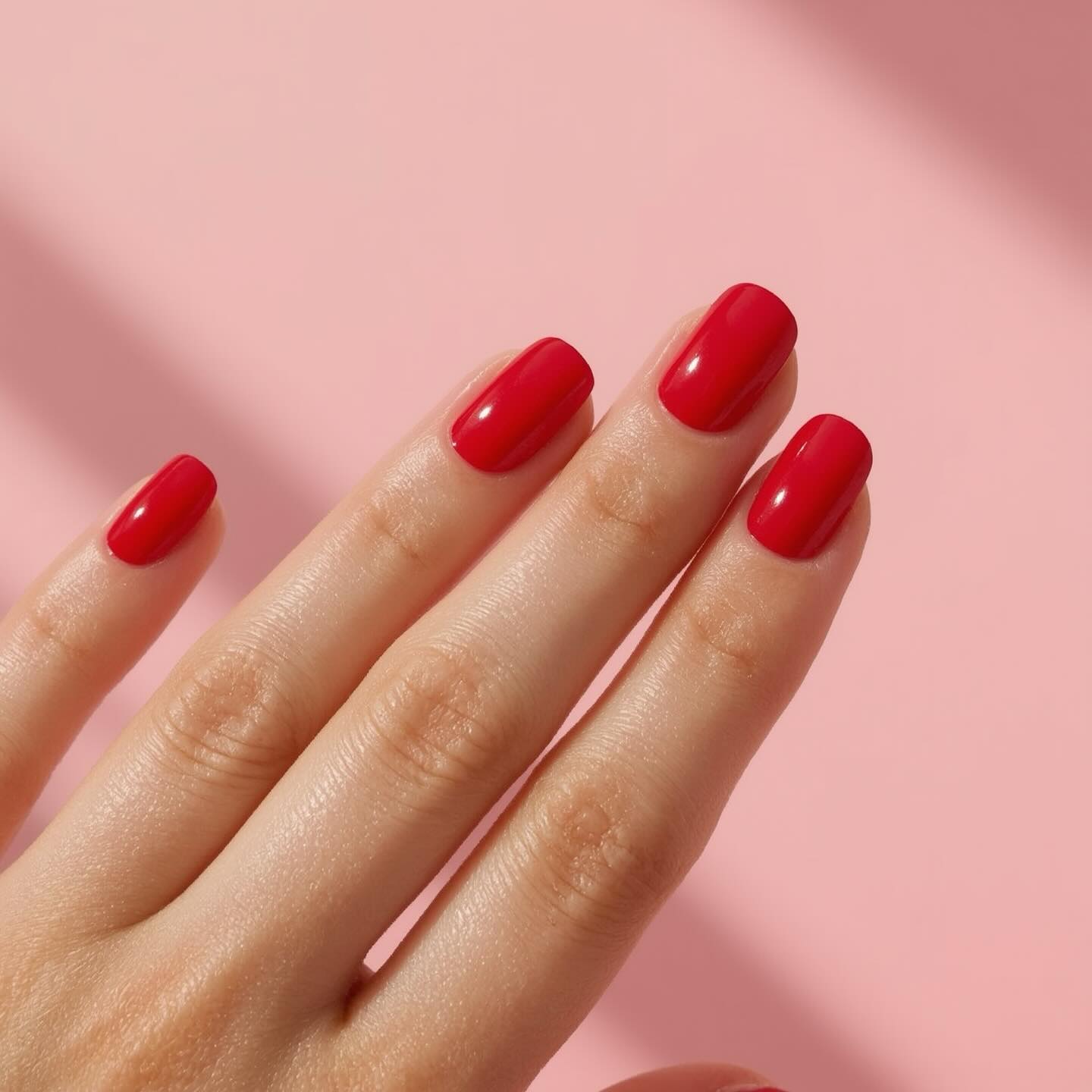
The cuticle is the narrow rim of skin at the base of the nail, where the nail comes out of the skin. The Cleveland Clinic describes it as a thick layer of skin cells that lies along the proximal nail fold, sticks to the surface of the nail plate and protects against germs and infection (the Cleveland Clinic on nail anatomy). According to the AAD, it also protects the nail root, from which the nail grows.
What tends to bother people about their cuticles is dry edges that stick out or small torn bits of skin, and it is exactly these that make you want to reach for the scissors or nippers. The rim that seals the join between skin and nail should still stay where it is, though, because that is where it does its protective work.
Cuticle cutting and infection: what happens when the cuticle is cut
The AAD explains that cuticles protect the nails and the surrounding skin from infection, and that when they are trimmed or cut, it becomes easier for bacteria and other germs to get into the body and cause an infection (the AAD on artificial nails and the cuticle). Cut cuticles also often feel rough as they grow back, which is how you can end up having them trimmed again at every visit to the nail salon just to keep them smooth.
In a news release from October 2024, an AAD dermatologist warns against manicures in which an e-file is used on the nail and cuticle to remove the skin around the nail and the cuticle itself (the AAD's news release). The cuticle acts as a protective barrier, she says, and removing it puts you at risk of infection from bacteria and fungi. After manicures like these she sees patients with paronychia, in German usually called Nagelbettentzündung, an infection in which the skin around the nail becomes inflamed, painful and discoloured.
Cutting or pushing back cuticles: pushing back can do harm too
Pushing back is often seen as the gentle option, but here too the AAD is clear that when your cuticles are cut or pushed back, whether by you or by your nail technician, this can lead to a serious infection (the AAD on dip powder manicures). The Cleveland Clinic also notes that pushing back or removing the cuticle during a manicure or pedicure can harm your nails, and advises leaving the cuticle alone.
If you still want to push your cuticles back, do it only gently and after a shower or bath, as the AAD describes. At a nail salon you can ask outright for your cuticles to be neither cut nor pushed back, and the AAD advises standing firm even if the nail technician objects at first. It is also fine to ask how the instruments are cleaned, since the AAD recommends that too.
When you stop cutting your cuticles
At first the edges left by the last cuts still grow out rough, and that is exactly when it is most tempting to reach for the scissors again. What helps during this phase is care: the AAD names a little petroleum jelly at bedtime as a budget-friendly way to soften rough, dry cuticles, and cuticle oil as another option that works well.
Hangnails, the small bits of skin that stick out at the edge of the nail, should not be bitten or torn off, because according to the AAD that can cause an infection. Instead, the AAD advises washing your hands well with soap and water and cutting off only the loose bit with nail clippers or nail scissors. This is not the same as trimming the cuticle, because the rim at the base of the nail is left untouched.
The AAD's general tips for healthy nails fit in well here (the AAD's tips for healthy nails): moisturise your hands after washing them and wear gloves for cleaning and washing up, because too much water weakens the nails so that they split, peel or break. If a nail catches on something, file the spot smooth.
Removing cuticles without cutting: what makes sense
You do not actually need to get rid of the cuticle at all, since the protective rim at the base of the nail is meant to stay. The base of the nail looks well kept when the cuticle is soft and no dry, torn edges stick out, and you can get there at home with cream and oil, and at the nail salon with a manicure in which the cuticle is cared for rather than cut.
When to see a dermatologist
According to the AAD, redness and swelling around a nail can be a sign of an infection, which, when diagnosed early, can often be treated with soaks and antibiotics (the AAD on nail changes). See a dermatologist if
- the skin around a nail is red and swollen,
- the area hurts or pus comes out,
- the skin at the nail or the nail itself changes colour,
- the nail lifts off the nail bed.
With these signs, the place to go is a dermatologist's practice and not a nail salon. If you have diabetes or poor circulation, the AAD says it is especially important to have any nail problem treated.
Cuticle care at Anni Nails in Meidling, Vienna
At Anni Nails, Schönbrunner Straße 253, 1120 Vienna, the cuticle is not cut but gently smoothed and shaped, and a small, natural rim is kept because it protects the nail and the skin. The treatment for this is "Manicure (File / Classic)", a classic manicure with files and nail care that takes about 50 minutes and costs €40.
Anastasia has been doing manicures for more than ten years, works with short nails and without aggressive techniques, and treats the nail plate with care. The instruments are sterilised, single-use materials are used, and every treatment includes a personal consultation on caring for your nails and hands, in which you can also ask how to look after your cuticles between appointments.
The studio is open Monday to Saturday from 9 am to 8 pm and on Sundays on request, and you can find a free slot online: Book an appointment. All treatments and their prices are listed under Services and prices.