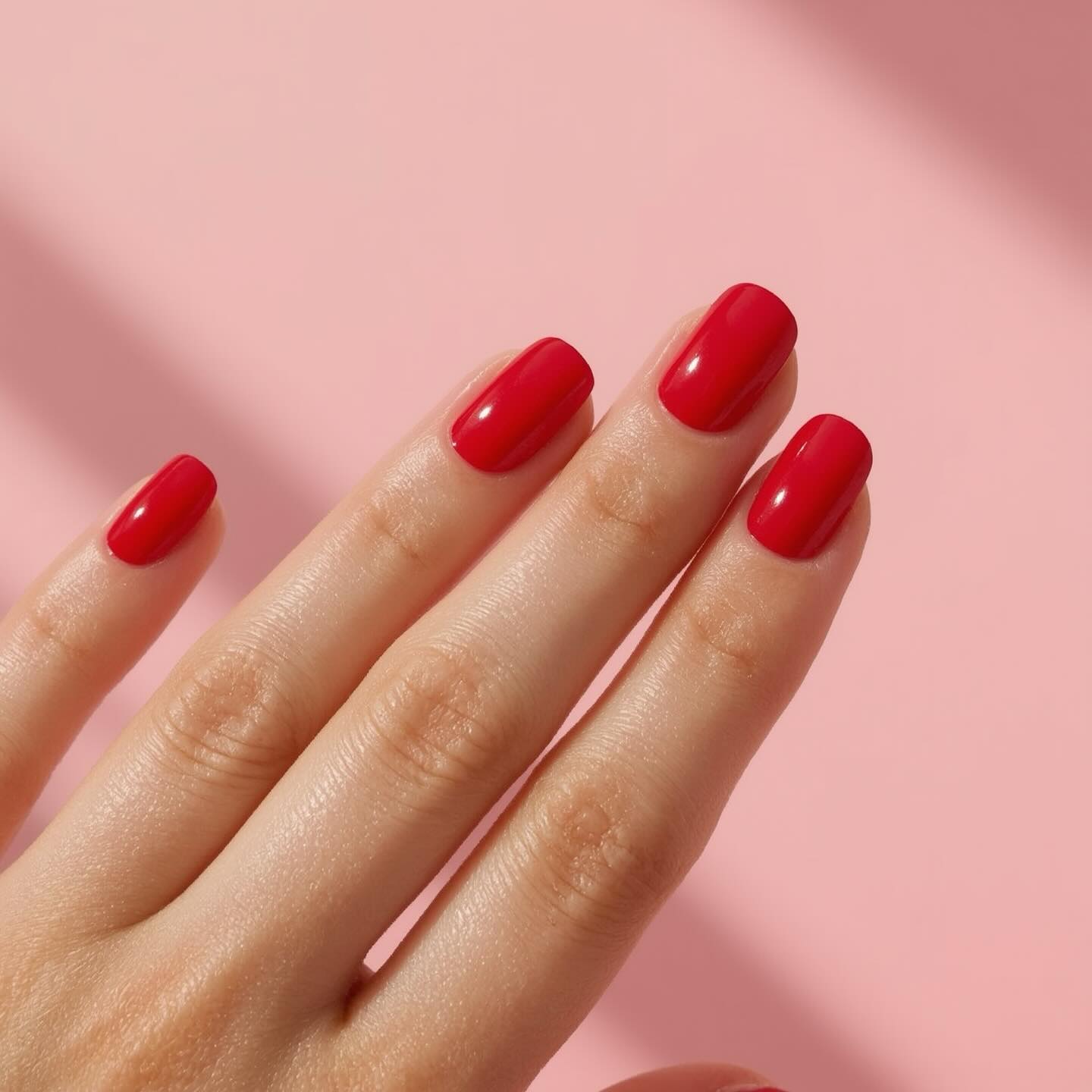
Paraffin treatment for hands: what it does and who it suits

The main benefit of a paraffin bath for the hands is the care it gives the skin: the wax forms a layer that slows down water loss, so dry hands can feel softer and more supple afterwards. It is care for dry skin rather than a treatment for a skin condition, and it does not suit every pair of hands, because if you have open wounds, a rash, poor circulation or numbness in your hands you should avoid it, and if you have a skin condition you should talk to your dermatologist first.
What paraffin does for the skin
Paraffin is a colourless, soft wax produced as a by-product of heating or distilling petroleum, and it is also found in many skin creams, lotions and gels (Medical News Today on paraffin wax). Medical News Today classes paraffin as an occlusive moisturiser, which means it forms a layer on the skin that stops water from being lost, and this can make the skin feel soft and supple. Spas and salons often use paraffin for treatments meant to soften the hands, feet and cuticles.
Occlusive moisturisers can feel greasy, though, and Medical News Today advises caution if you have sensitive skin, because paraffin can cause a skin reaction.
How a classic paraffin bath is done
In a classic paraffin bath, wax is melted and the hand is dipped into it several times in a row until a coating of wax builds up layer by layer. HealthLink BC, the health information service of the Canadian province of British Columbia, describes these steps for doing it at home (HealthLink BC on paraffin wax for arthritis):
- The melted wax is left to cool until a thin film forms on top, and the thermometer should read about 52°C when the treatment begins.
- The hand is washed in warm, soapy water and dried completely.
- Then the relaxed hand is dipped into the wax without touching the bottom or sides of the container, and as it comes out it is held over the container until, after a few seconds, the wax has dried and stops dripping. This is repeated ten to twelve times, each time a little less deep than the last, so that no warm wax runs under the existing layer and burns the skin.
- After that the hand goes into cling film or a plastic bag with a towel over it, and the wax stays on the skin for 20 minutes before it is taken off.
Medical News Today's instructions are similar, except that a lotion or moisturiser goes on the hands first after washing, the hand is dipped about six to eight times and then stays covered for 15 to 20 minutes.
HealthLink BC describes warm paraffin as moist heat meant to ease pain and stiffness in the hands and feet caused by osteoarthritis, whereas in a nail studio the point is to care for dry skin. If you would like to try a paraffin bath at home, HealthLink BC advises talking to your doctor first and ideally having a physiotherapist show you how it is done, and you need to be careful when melting the wax, because paraffin can catch fire if it is overheated.
Who a paraffin hand treatment is not suitable for
Medical News Today and HealthLink BC give similar reasons why paraffin is not right for every pair of hands. Avoid it and get medical advice if
- you have open cuts, wounds or burns on your hands,
- the skin has a rash or open sores, in which case HealthLink BC advises waiting until everything has completely cleared up,
- your circulation is poor,
- you have reduced or no feeling in your hands, for example because of nerve damage from diabetes,
- you are sensitive to chemicals, because according to Medical News Today this can lead to a rash, swelling or breakouts.
According to Medical News Today, if your circulation is poor or your hands are numb, you may not feel the temperature of the wax properly, and the heat can then damage the skin. Both sources write about the warm wax bath and say nothing about whether the same reasons also apply to a paraffin mask without a hot bath, so if one of them applies to you, ask your doctor before having that kind of mask as well. If you have a skin condition such as atopic eczema, psoriasis or hand eczema, check with your dermatologist whether a paraffin treatment is right for your skin.
If the skin on your hands is red, swollen or painful, if it weeps, or if pus or blisters form, have it looked at by a doctor instead of going to a nail studio.
How often to use a paraffin bath for your hands
Neither Medical News Today nor HealthLink BC says how often you should treat your hands with paraffin, because both only describe how a single session works. According to the American Academy of Dermatology (AAD), the professional association for dermatologists in the United States, moisturising plays an important part in caring for dry skin, and it gives this advice for the hands.
Moisturise your hands every time you wash them and use a cream or ointment for this, because according to the AAD these are more moisturising and work better than lotions (the AAD's tips for relieving dry skin). For when you are out, the AAD recommends keeping a non-greasy hand cream in your bag. Among the ingredients it names are glycerin, lanolin and petrolatum (petroleum jelly), and it recommends products that are clearly labelled fragrance-free. When you wash up, work in the garden or often have your hands in water, gloves protect the skin from the wet and, in winter, from cold, dry air as well.
Wash your hands in lukewarm water, and because hand sanitiser can dry the skin out a lot, moisturise after using it too, as soon as the sanitiser has dried (the AAD on dry skin from handwashing). If your skin stays dry despite this care, the AAD advises seeing a dermatologist, because dry skin can also be caused by a condition such as atopic eczema or psoriasis, and some people need a prescription cream or ointment. If the skin at the edge of your nail tears, the article Torn cuticles and hangnails explains what you can do at home.
Paraffin Therapy for Hands at Anni Nails
At Anni Nails the treatment is called "Paraffin Therapy for Hands" and is intended as a spa treatment for dry and dehydrated hands. It takes about 30 minutes, costs €25 and includes a gentle scrub, a moisturising serum, a paraffin mask and a nourishing cream mask. Unlike the classic paraffin bath, the paraffin mask used here works without hot baths, and according to the description of the treatment your hands should feel soft and smooth after the very first session.
Every treatment includes a personal consultation on caring for your nails and hands, in which you can also talk about how to look after your hands at home and how often paraffin therapy makes sense for you. Your treatment is done by Anastasia, who has been doing manicures for more than ten years, and sterilised instruments and single-use materials are part of every treatment. If you would like your nails done as well, there is "Manicure (File / Classic)", a classic manicure with files and nail care, which takes about 50 minutes and costs €40.
If you have an allergy, a skin condition or any other health concerns, please mention it before the treatment, as the studio's terms and conditions ask. They also state that clients with contagious illnesses may be refused treatment for safety reasons.
The studio is in Meidling, at Schönbrunner Straße 253, 1120 Vienna, and is open from 9 am to 8 pm Monday to Saturday and on Sundays on request. All treatments and their prices are listed under Services and prices, and you can make an appointment online under Book an appointment.