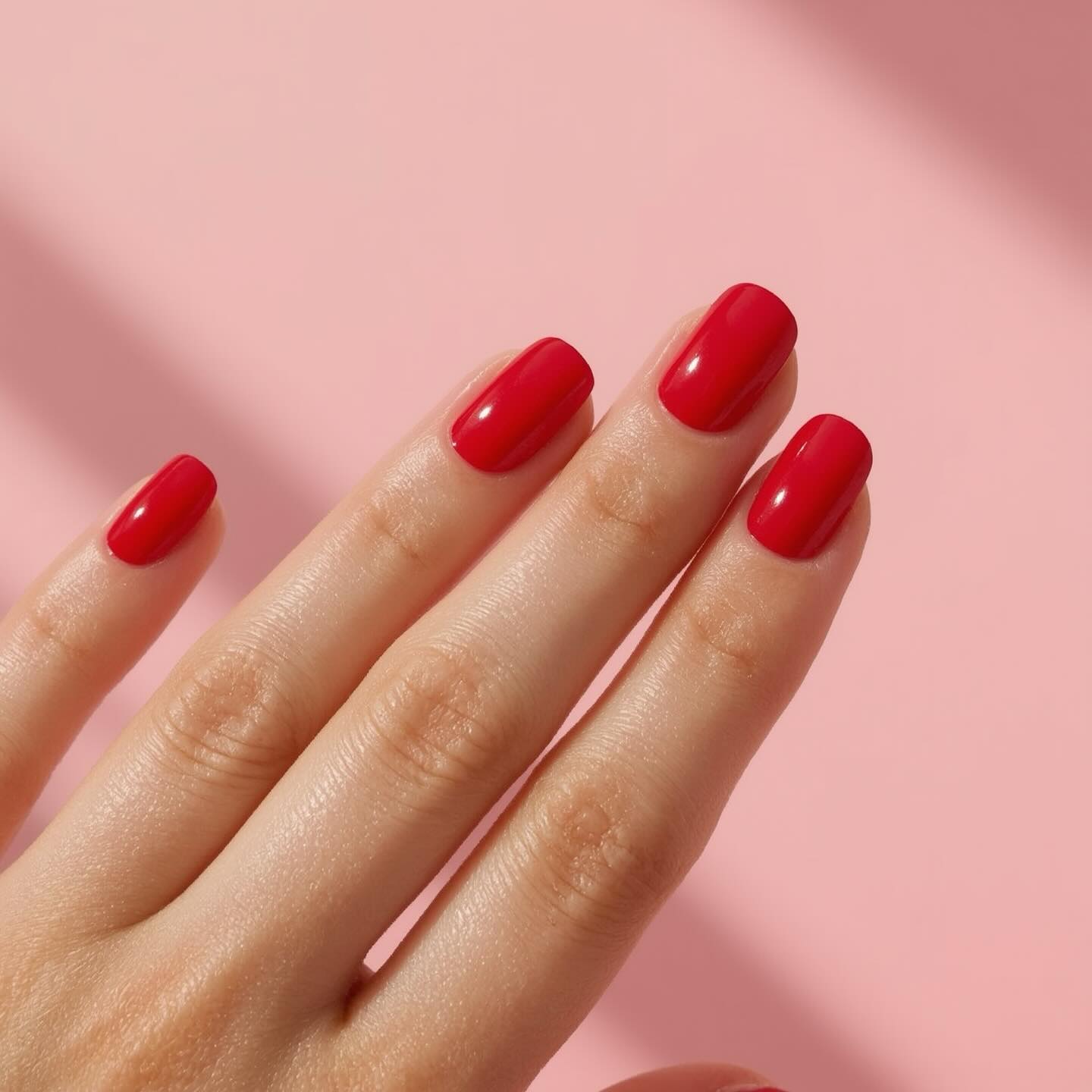
Manicure hygiene: how to tell that a nail salon is clean
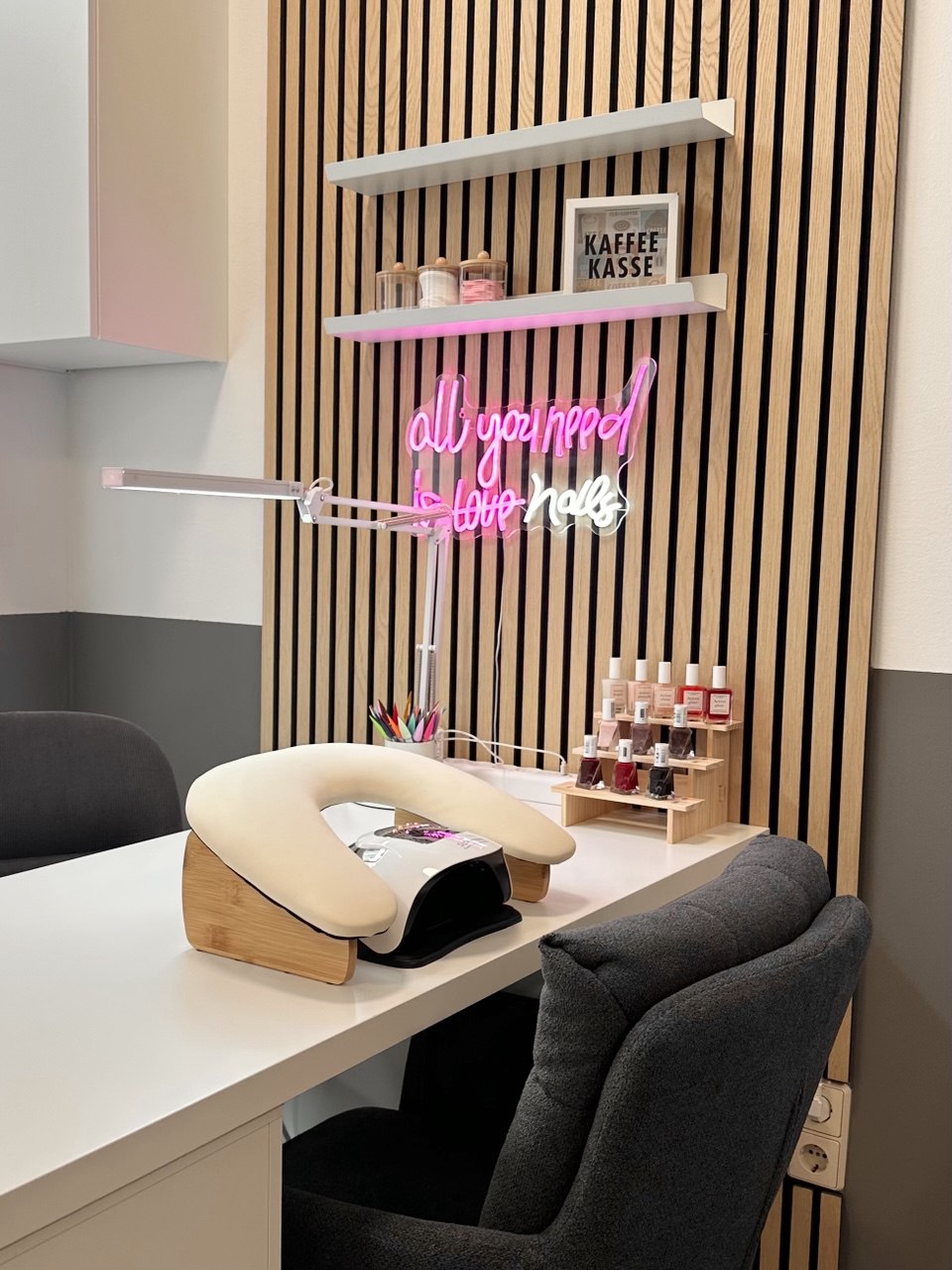
Part of good nail salon hygiene is something you can check during the appointment itself: the workstation is clean, no used instruments are lying around, and the person doing your nails cleans and disinfects their hands before the treatment. What you cannot see is what happens to the instruments after use, that is, whether the nippers and scissors have been cleaned and disinfected since the last client and whether the file is a single-use file or is disinfected after every use. Feel free to ask a salon how it cleans its instruments, which is also what the American Academy of Dermatology (AAD), the professional association for dermatologists in the United States, recommends.
Cleaning, disinfecting and sterilising: how they differ
To make sense of hygiene in a nail salon, it helps to keep apart three steps that the US health authority CDC describes in its guideline on disinfection and sterilisation in healthcare facilities (the CDC's definition of terms). Cleaning means removing visible dirt from objects and surfaces, usually with water and a detergent. Disinfecting eliminates many or all disease-causing microorganisms on objects except bacterial spores, while sterilising destroys or eliminates every form of microbial life.
The order matters here, because according to the CDC how well disinfection and sterilisation work depends, among other things, on whether the object was cleaned beforehand, and it considers thorough cleaning essential before sterilisation because residue left on the instruments makes the process less effective. This is why an instrument is cleaned first and only then disinfected or sterilised.
Which hygiene regulations apply to manicures in Austria
In Austria, manicure counts as hand and nail care and belongs to the cosmetics trade (beauty care), as the Vienna Economic Chamber describes it (WKO Wien). Hygiene in foot care, cosmetics and massage is governed by a separate regulation, the "Ausübungsregeln für Fußpflege, Kosmetik und Massage durch Gewerbetreibende" (BGBl. II Nr. 262/2008), which sets out its requirements in Annex 1 (RIS, Annex 1). For cosmetics businesses, it requires that tools such as scissors, nail clippers, cuticle nippers and files are disinfected chemically or thermally after use, or that single-use products are used and thrown away after each use.
A few more points from the same annex are worth knowing as a client, and you can see some of them for yourself during your appointment:
- Hands and forearms are cleaned and disinfected before work starts and after each completed task, and single-use towels are used to dry them.
- Surfaces that come into contact with the client's skin are cleaned and disinfected after each use.
- Cleaned, disinfected or sterilised instruments are stored where they are protected from dust.
- Creams are taken out with a disposable spatula or with a plastic spatula that is cleaned and disinfected after each use.
- Cloth towels are used only once and washed every day on a boil wash.
- Glass bead sterilisers must not be used, and anyone buying a new steriliser has to choose a steam steriliser.
So for reusable manicure instruments the regulation requires cleaning and disinfection after every use, and a salon that also sterilises its instruments afterwards adds the step that goes beyond disinfection.
Single-use files and your own instruments
A single-use file is used only for your treatment and thrown away afterwards, which means it is new when your appointment starts, and if you cannot tell whether it is, simply ask whether the file is new and will be thrown away after your appointment. If the file is reused, the question to ask is how it is disinfected after use. If you have manicures often, the AAD suggests you could also consider buying your own instruments to be used at the salon (the AAD on manicure and pedicure safety), and whether a salon allows this is best checked when you book. You can read which file is suitable for use at home in the article How to file short nails.
What to look for at the salon during your appointment
When you are looking for the best nail salons in Vienna, photos of finished nails tell you little about hygiene, because it only shows once you are in the salon itself. On the same page, the AAD lists a few things to look out for when you visit:
- whether the person doing your nails has the necessary experience and, where one is required, the necessary licence,
- whether the workstations are clean,
- whether they wash their hands between clients,
- whether used, dirty instruments are lying around.
If a salon does not look clean, the AAD advises going to a different one.
How the cuticles are treated is also part of hygiene, because to prevent infection the AAD advises never cutting your cuticles and never pushing them back forcefully. If you do want to push them back, only do it gently after a shower or bath. Why the cuticle protects the nail is explained in the article Cuticle cutting: good or bad?.
What you can ask at the salon
The start of your appointment is a good moment for these questions:
- How are the instruments cleaned and disinfected after each client, and are they also sterilised afterwards?
- Is the file a single-use file, and if not, how is it disinfected after use?
- Is the cuticle cut during the manicure, or is it only cared for?
In turn, it is important to tell the salon before the treatment if you have an allergy, a skin condition, or an open or inflamed spot on your hands.
When to see a doctor after a manicure
If, after a manicure, the skin around a nail turns red, swells or hurts, or pus forms, have it looked at by a dermatologist, and do the same if a nail changes colour or lifts off the nail bed. According to the AAD, redness and swelling around a nail can be a sign of an infection, which can often be treated with soaks and antibiotics if it is caught early (the AAD on nail changes). The AAD says that any nail that is lifting should be examined by a dermatologist, and it names injury from an aggressive manicure as one possible cause.
Hygiene at Anni Nails in Meidling
At Anni Nails, sterilising the instruments and using single-use materials is a standard part of every treatment. The instruments are first placed in a disinfectant solution and then sterilised at a high temperature in a steriliser, and single-use files are used for the manicure. Anastasia has been doing manicures for more than ten years, works with short nails and without aggressive techniques, and treats the nail plate gently.
"Manicure (File / Classic)" is a classic manicure with files and nail care, which takes about 50 minutes and costs €40, and as with every treatment it includes a personal consultation on caring for your nails and hands. Please mention any allergies, skin conditions or health concerns before the treatment, as the studio's terms and conditions also ask, and a treatment may be refused for safety reasons if a client has a contagious illness.
The studio is at Schönbrunner Straße 253, 1120 Vienna, and is open from 9 am to 8 pm Monday to Saturday and on Sundays on request. All treatments and their prices are listed under Services and prices, and you can make an appointment online under Book an appointment.